Top 20 Places to Visit in Jaipur (Historic Forts, Palaces, Markets & Hidden Gems)
17 Sep 2025
Preparing for a Trip to Jaipur with the Right Information
Jaipur remains one of India’s most visited destinations and continues to attract travelers for its architectural beauty, vibrant culture, historic lanes and royal landmarks. Although the city is tourist-friendly, first-time visitors often benefit greatly from understanding practical travel insights before arriving. Jaipur’s weather, traffic patterns, monument timings and local customs can influence how smoothly a traveler’s day unfolds. Being equipped with essential knowledge helps visitors create a comfortable plan that matches their travel style.
The Pink City has well-developed infrastructure, but planning becomes smoother when travelers know how to structure their movements between hilly forts, crowded markets and large palace complexes. Temperature variations, festival seasons and weekend crowds can also affect the sightseeing pattern. Preparing for these factors ensures travelers enjoy Jaipur without stress. Whether someone is visiting for a short break, a family holiday or part of a larger Rajasthan tour, these practical tips assist in making the most of the journey.
A thoughtfully planned Jaipur trip involves choosing the right season, organizing transport in advance and understanding cultural etiquette. Small details like hydration, footwear, timed entry tickets and local cash availability contribute significantly to a smooth experience. Jaipur offers memorable moments, but arriving well-informed amplifies comfort and enjoyment.
Best Time to Visit Jaipur for a Comfortable Trip
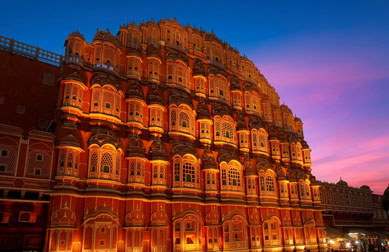
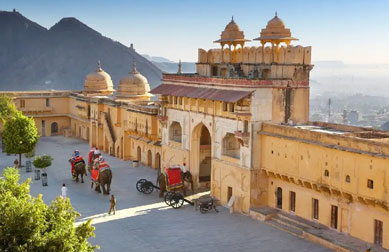
Weather in Jaipur plays a significant role in deciding how pleasant the trip will be. Winter months between October and March remain the most suitable for sightseeing due to cool mornings and pleasant afternoons. These months allow visitors to comfortably spend long hours at outdoor monuments such as Amer Fort, HawaMahal and the hilltop viewpoints. The winter sky also offers clearer conditions, resulting in beautiful photography opportunities.
Summer months can become warm, especially in April and May, which makes afternoons more challenging for sightseeing. Travelers who visit during summer should plan early morning departures, avoid direct sun during peak hours, and carry sufficient water. Local drivers often advise indoor attractions or shaded areas during the warmest part of the day.
Monsoon season brings occasional showers, especially in July and August. While the rains cool down the weather, they can also make some hilly paths slippery. However, this is also the season when Jaipur appears green and vibrant, offering a unique look to the city. The important point is understanding how weather influences the sightseeing schedule and choosing timings accordingly.
Local Transport Options in Jaipur & Why Planning Matters
Jaipur provides several transport options, including autos, app-based taxis and local buses. While these work for short distances, they can be time-consuming for full-day sightseeing due to availability issues, parking challenges and dependence on multiple vehicles. Market areas and old city lanes often become crowded, making autos less comfortable for long movements. App-based cabs are convenient but can surge during peak hours and may not always be available near major attractions.
Travelers planning to cover multiple landmarks in a day often prefer pre-arranged local transport to avoid delays. Monument clusters like Amer, Jaigarh and Nahargarh require steady coordination between hilly roads and parking spaces. Similarly, the City Palace area becomes busy later in the day, making smooth movement essential.
Visitors who want a seamless journey frequently choose a private car and driver because it avoids the need to negotiate with taxis, wait for autos or switch between multiple vehicles. Travelers also value having the car nearby for short breaks and safe storage of luggage, purchases or camera equipment. Understanding the strengths and limitations of each transport option helps in picking the best mode for individual comfort.
How a Private Car & Driver Enhances a Jaipur Trip
Although Jaipur has several transport choices, many travelers choose private car and driver services for the convenience it brings. A knowledgeable driver understands the safest routes, reliable parking spots and the best times to visit major attractions. This practical guidance saves hours and ensures that travelers avoid peak traffic or long queues. For families with children, senior citizens or travelers carrying extra luggage, a private car becomes an essential part of a comfortable trip.
Another key advantage is flexibility. Tourists often wish to pause for photography, visit a viewpoint or add a sudden detour such as a stepwell or local workshop. A private driver accommodates these spontaneous stops smoothly. Visitors also appreciate having a clean air-conditioned space available anytime, especially during warm afternoons. Since drivers in Jaipur have extensive familiarity with restaurants, markets and monuments, they provide valuable suggestions throughout the day.
For travelers on a short trip, having a private driver helps maximize the number of attractions they can cover without stress. Even for longer stays, the same service ensures consistent comfort, safety and timely movement, making the Jaipur journey pleasant and organized.
Understanding Jaipur’s Monument Timings & Crowd Patterns
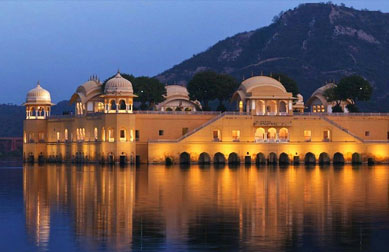
Jaipur’s major attractions have different timings, and knowing them helps plan a balanced itinerary. Amer Fort opens early in the morning, and reaching it during the first hour ensures minimal waiting. Haw Mahal and Jantar Mantar can be visited later, while City Palace requires more time due to its museums and galleries. JalMahal is scenic at sunset, and Nahargarh offers evening views of the city.
Weekends and festival periods bring more visitors, especially at forts and bazaars. Drivers who navigate these areas daily know the best sequence and ideal hours for avoiding the rush. Visitors who are unaware of crowd patterns might spend too much time in queues or stuck in traffic. Proper planning results in more relaxed sightseeing, allowing travelers to enjoy both iconic and hidden spots without feeling rushed.
Longer attractions such as Jaigarh, Nahargarh and Galtaji require additional time, and scheduling them wisely ensures energy is managed well throughout the day. Being aware of these timings helps travelers make better use of their time in the city.
Packing Essentials for a Smooth Jaipur Tour
Comfortable travel in Jaipur requires carrying certain essentials that suit the climate and nature of sightseeing. Light cotton clothing works best during daytime, especially when visiting large forts or open courtyards. Good walking shoes are recommended for Amer Fort, JantarMantar and Nahargarh due to walking slopes, uneven paths and elevated viewpoints.
Carrying a water bottle, sunscreen and sunglasses helps during outdoor visits. Having small cash on hand is also useful for local shops or entry points where digital payments may not always work. Many travelers keep a small backpack for essentials and leave heavier items inside the private car for convenience.
Photography enthusiasts should carry extra batteries and memory cards because Jaipur offers countless picture-worthy locations. A few snacks or energy bars help during long sightseeing days. Preparing these essentials enhances comfort and reduces the need for last-minute purchases.
Cultural Etiquette & Local Behavior for Visitors
Jaipur is welcoming and warm, but understanding basic cultural etiquette enhances interactions. Respecting dress codes at temples, removing footwear where required and maintaining politeness in markets help travelers blend smoothly with the local atmosphere. Vendors appreciate fair communication, and bargaining should be polite rather than aggressive.
Photography is usually allowed in most places, but some inner areas of palaces and temples may require permission. Visitors should always ask before photographing people, especially artisans or local families. Being mindful of these cultural details ensures respectful and pleasant experiences throughout the trip.
Traffic behavior in Jaipur may seem energetic to first-time visitors. Allowing drivers to manage road navigation reduces stress and ensures safety. Locals are generally helpful and guide travelers correctly when asked politely.
Food Safety & Clean Eating Recommendations
Jaipur offers a wide range of food options, including traditional thalis, sweets, snacks and modern cuisine. While street food is popular, first-time travelers should choose clean, reputable spots. Many established eateries maintain hygiene and offer authentic flavors without compromising safety. Trusted drivers often guide visitors to restaurants known for cleanliness and consistent service.
Hydration is important in Jaipur’s climate, and travelers should rely on sealed water bottles. Fresh juices and local sweets are enjoyable but should be purchased from clean outlets. Avoiding extremely spicy dishes during sightseeing helps maintain comfort throughout the day. With the right choices, Jaipur’s culinary experience becomes one of the highlights of the trip.
Shopping Tips for Jaipur’s Traditional Markets
Shopping forms a major part of Jaipur tourism. Markets such as Bapu Bazaar, Johari Bazaar and Tripolia Bazaar offer textiles, jewelry, blue pottery and leather goods. Understanding quality, price range and authenticity helps shoppers avoid confusion. Travelers should take time to examine products and compare prices across stalls.
A private driver familiar with Jaipur markets helps visitors find reliable shops that offer genuine items. This eliminates the risk of overpriced goods or low-quality duplicates. Keeping small notes for stores, vendors and pricing helps travelers manage their budget effectively.
Visitors should carry cash in small denominations for easier transactions. Enjoying Jaipur’s markets becomes more pleasant when shoppers know how to move through busy lanes and choose trustworthy outlets.
Safety Guidelines for a Stress-Free Jaipur Visit
Jaipur is generally safe for travelers, including solo visitors and families. Basic precautions such as keeping valuable items secure, avoiding very isolated areas after dark and staying aware of personal belongings in crowded markets are helpful. Using pre-arranged transport ensures safety and reduces uncertainty about local rides.
Women travelers often feel comfortable in Jaipur due to friendly locals and professional drivers. However, maintaining common-sense safety practices enhances overall comfort. Travelers should also keep a copy of identification documents and note down contact numbers of their hotel and driver.
Medical facilities in Jaipur are reliable, and pharmacies are available throughout the city. Staying hydrated and avoiding extreme sun exposure prevents fatigue during sightseeing. The city’s welcoming nature ensures a safe and enjoyable trip for most visitors.
Why Planning Jaipur as a First-Time Visitor Requires Local Insight
Planning a Jaipur itinerary without local insight can be overwhelming due to distances, multiple attractions and variable traffic conditions. The sequence in which monuments are visited plays a big role in making the day comfortable. Having access to experienced guidance helps travelers avoid unnecessary stress and enjoy Jaipur’s beauty fully.
Small choices—like when to visit Amer Fort, which market lane is easiest to walk, which eateries maintain hygiene and which sunset point gives the best view—make a significant difference. Experienced drivers and local experts guide visitors in a way that maximizes comfort and enhances the entire journey.
Get Tour Quotation in 15 Minutes
The months between October and March offer pleasant weather and are ideal for sightseeing.
Yes, Jaipur is safe for solo visitors. Following standard precautions ensures a comfortable trip.
Two to three days allow visitors to cover major attractions at a relaxed pace.
Public transport works for short distances but is less efficient for full-day sightseeing.
Pre-booking ensures availability, fixed pricing and a smooth sightseeing experience.
Yes, each monument has specific opening hours; early morning is ideal for forts.
Most markets close by evening, though some stay active until around 9 PM.
Yes, if chosen from clean and reputable eateries.
Yes, the city offers a wide variety of vegetarian dishes and restaurants.
Many shops accept cards, but small vendors prefer cash.
Some forts require uphill walking, so comfortable footwear is recommended.
Yes, experienced drivers guide travelers to clean eateries and reliable shops.